


.svg)

Entrepreneurship is often framed as freedom.
The freedom to build, to innovate, to challenge the status quo, and create something that genuinely moves the world forward. You could say it’s “independence in action” or “ambition brought to life”. Anyone who has built a company knows that this freedom comes with a lot of responsibility, though. It means making bold decisions with imperfect information, adapting quickly as realities shift, and embracing uncertainty as part of the process. It is demanding, yes — but it is also energizing and deeply transformative. And while the journey tests resilience, it becomes exponentially more powerful when founders are surrounded by the right people who challenge, support, and accelerate their growth.
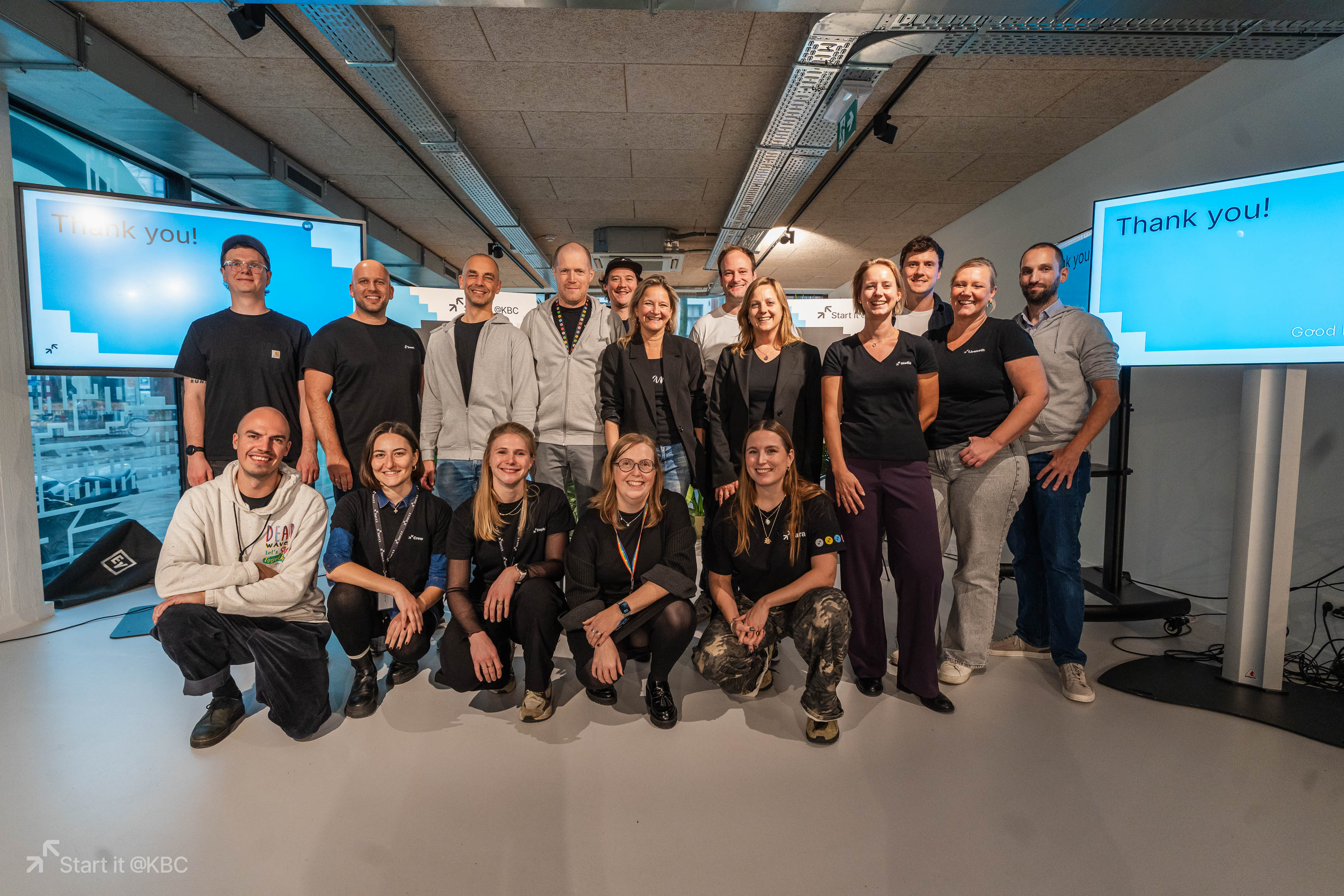
Behind every resilient founder, there is often an ecosystem that sharpens thinking, strengthens strategy, and prevents isolation from slowing momentum. At Start it @KBC, that support system is deliberate. The team does not position itself as a group of advisors handing out ready-made solutions. Instead, they see their role as catalysts: accelerating learning curves, strengthening clarity, and ensuring that ambition is matched with structure and perspective.
What follows is how they think about entrepreneurship — and why they believe founders succeed faster when they build within a community designed to multiply impact.
Don’t build an echo chamber
For Inge Wouters, Lead Business Coach, the belief that founders should never build alone is grounded in experience. Having walked the startup path herself, she understands how intense the journey can become when responsibility rests squarely on one set of shoulders. The constant decision-making, the strategic trade-offs, the financial pressure — they shape both the company and the individual leading it.
That lived experience shaped how she coaches today. Rather than offering direct answers, she focuses on creating clarity through dialogue. In her view, sustainable growth does not come from dependency on external expertise. It comes from founders developing sharper thinking and expanding their awareness.

“The biggest risk in life or entrepreneurship is not failing, but not giving it a try” — Inge Wouters
The most successful founders aren’t the ones who have all the answers, she explains. They’re the ones who deliberately surround themselves with an ecosystem and actively seek out the best questions.
Christophe Cieters, former Business Coach and incoming Investment Manager, lifts this thinking from individual founder to the bigger picture. He sees the ecosystem as an intentional design for connection. By bringing entrepreneurs together, Start it @KBC creates what he describes as “maximized serendipity,” where insight, opportunity, and collaboration intersect in ways that would rarely occur in isolation. The outcome is a broader economic and societal impact — on top of stronger ventures.
Dirk Lievens, Business Coach and program lead of Start it Hardware, adds a sense of urgency to the equation. In his experience, speed of learning is one of the most powerful competitive advantages that a startup can cultivate. “Time is your primary constraint,” he says. “Anything that doesn’t contribute to validating your core hypothesis is a distraction.” For him, the mission is clear: shift founders away from rigid long-term planning and toward rapid market validation, ensuring ambition translates into scalable businesses rather than expensive lessons.
Together, their message is consistent: perspective accelerates progress. Community multiplies insight. And founders who step outside their own echo chambers dramatically increase their odds of success.
Build a connection, not just revenue
While revenue growth and user acquisition often dominate startup headlines, the Start it @KBC team consistently emphasizes something more foundational: emotional connection.
For Lode Uytterschaut, founder & CEO, early traction only truly matters when it is fueled by genuine enthusiasm. Make sure your first customers aren’t just satisfied, they need to be madly in love, he advises. Satisfied customers stay and advocate for you. They share stories about your product at their kitchen table. They recommend you without incentives. They create organic momentum that no marketing budget can fully replicate.
In practical terms, a smaller group of deeply committed supporters often generates more durable growth than a large audience of indifferent users. Love builds loyalty, and loyalty adds up over time.

“Make sure your first customers aren’t just satisfied. They need to be madly in love” — Lode Uytterschaut
However, cultivating that loyalty requires more than enthusiasm — it requires clarity and structure. As CMO, Tara Reid frequently sees founders investing in marketing activities before defining what success truly means. In her view, clarity must precede amplification. Ambitious macro goals, such as revenue targets, need to be broken down into measurable milestones with realistic timelines and clearly defined KPIs.
Without measurable outcomes, marketing quickly becomes reactive and expensive. With them, it becomes strategic and iterative, enabling founders to refine their approach continuously and allocate resources with intention.
Mieke Daniels, COO, connects customer centricity with operational precision. While “operational excellence” may sound complex for early-stage companies, she argues that it functions as the invisible engine powering exceptional customer experiences. By implementing lean, standardized workflows that handle the operational heavy lifting, startups free their teams to focus on high-value, empathetic interactions.
Efficiency and personalization, in her philosophy, are not opposing forces. They reinforce each other. When the backend runs smoothly, the frontend feels effortless — magical even. And that consistency transforms customer satisfaction into long-term advocacy.
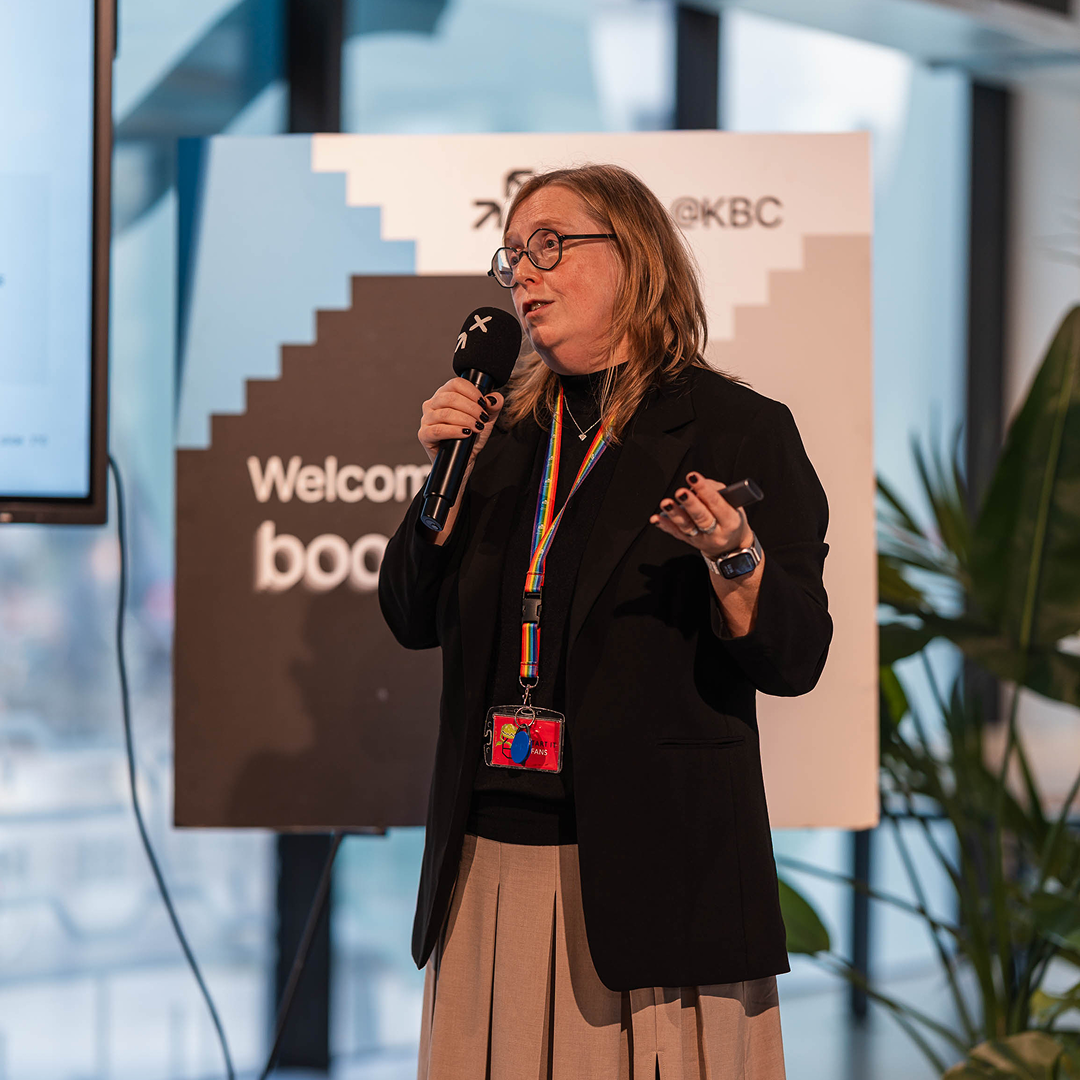
“Build your operations to serve your customer: invisible operational precision fuels unforgettable experiences” - Mieke Daniels
Discipline protects creativity
Startup culture often celebrates bold ideas and visionary founders, but the team at Start it @KBC emphasizes that success and longevity are rooted in execution.
Christophe Cieters encourages founders to rethink traditional financial planning. Rather than creating rigid financial plans based on fixed assumptions, he advocates for flexible financial models that map the interaction between a company’s core drivers. Revenue should be understood as the outcome of clearly articulated assumptions, not as an isolated target.
This modeling process forces internal consistency and sharpens strategic priorities. It exposes unrealistic expectations and clarifies which levers truly drive performance. For investors and internal teams alike, it creates transparency and confidence.

“The thing you want to do least is probably the thing you need to do most” — Christophe Cieters
Tara Reid reinforces the necessity of attaching clear targets to every strategic objective, while Mieke Daniels highlights the importance of operational systems that support growth rather than slow it down.
In their collective view, discipline does not suppress creativity — it safeguards it. Systems provide the foundation that allows innovation to endure beyond its initial spark.
Perseverance is the real differentiator
Even with clarity, structure, and strong customer relationships, entrepreneurship remains inherently unpredictable: markets evolve, competitive landscapes shift, and external conditions change.
For Andy Gijbels, CTO and Investment Director, one characteristic consistently distinguishes founders who ultimately succeed: perseverance. “Half of what separates successful entrepreneurs from non-successful ones is pure perseverance,” he says. Skill, strategy, timing — they all matter. But resilience often determines who lasts long enough to benefit from those advantages.
The thing that drives Andy Gijbels, is the opportunity to support startups that are trying to create a positive change in the world. Yet even the most promising ventures face setbacks. The difference lies in the willingness to continue refining, iterating, and showing up.
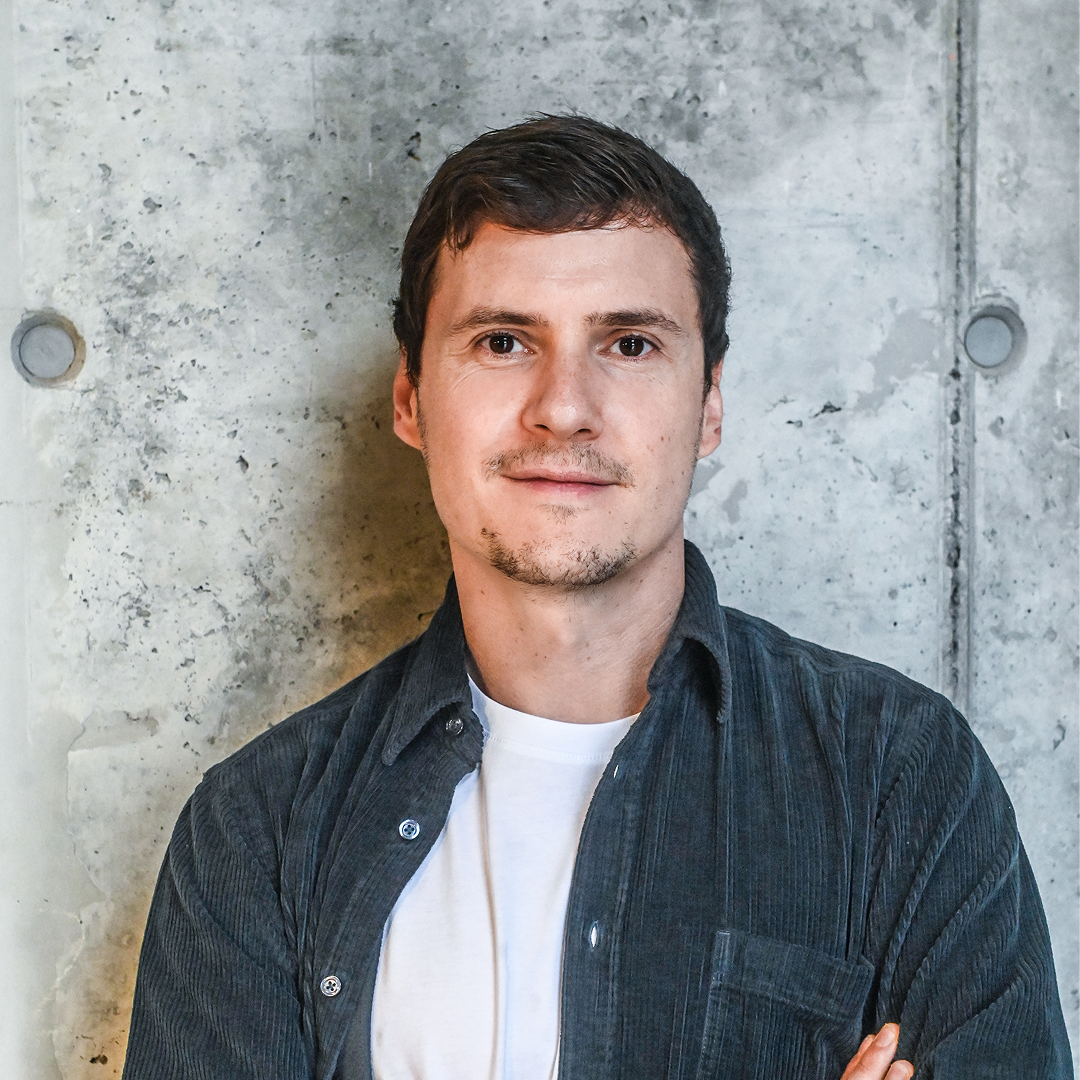
“If you keep throwing the dice, you will eventually hit a six” — Andy Gijbels
At the same time, Tara Reid reminds that entrepreneurship should not be reduced solely to financial milestones or exit strategies. “Enjoy the ride,” she advises. Success is measured not only by outcomes, but by the learning, growth, and resilience developed along the way. Optimism, in this context, is not naïve. It is a strategic asset that sustains momentum when the path forward is still unfolding.
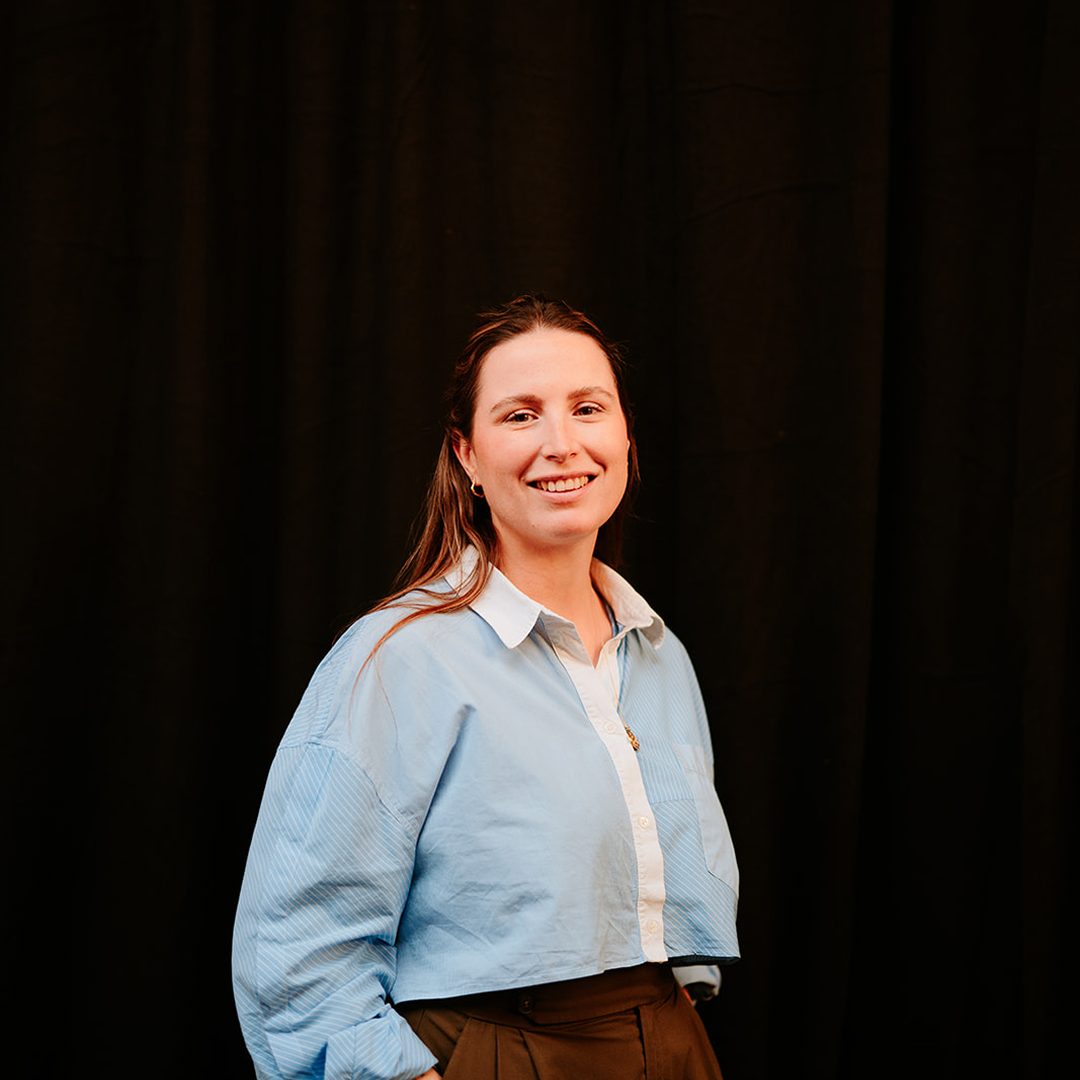
“Enjoy the ride. Success isn’t only measured by an end destination — it’s in the everyday learnings” — Tara Reid
Have the hard conversations early on
Among the many risks that a startup faces, Dirk Lievens identifies one that is often underestimated: co-founder dynamics. Having witnessed ventures falter due to interpersonal friction, he invested in studying mediation and now focuses on strengthening founder relationships before conflict escalates.
Too often, he argues, founders treat their Founders’ Agreement as a legal formality rather than a strategic exercise. Instead of rushing through documentation, he encourages teams to use the process as radical pre-mediation — an opportunity to openly discuss roles, equity, expectations, and worst-case scenarios while trust is still strong.
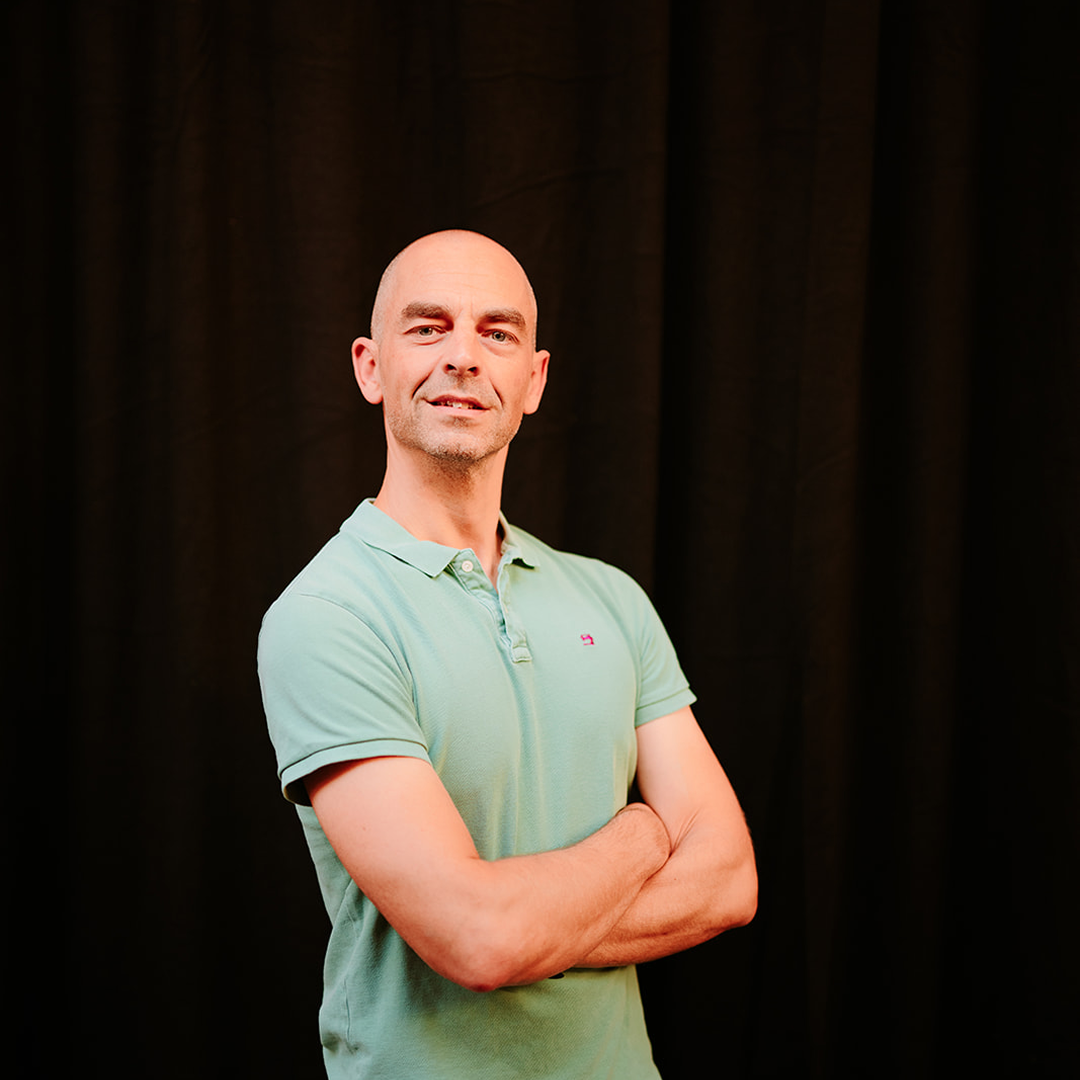
“Have the difficult, uncomfortable conversations about roles, equity, and worst-case scenarios now. A piece of paper won't save your company, but the deep, honest trust built by debating its soul will” - Dirk Lievens
A shared conviction
Across coaching, operations, marketing, finance, investment, and technology, the team behind Start it @KBC shares a clear conviction: founders build faster, smarter, and more sustainably when they are part of a supportive ecosystem.
’’Entrepreneurship will always require courage and demand resilience. Yet when ambition is reinforced by perspective, discipline, and community, the journey becomes not only more manageable, but more powerful.
Companies are built by individuals. Enduring companies are built by individuals who are supported, challenged, and connected. And sometimes, one question — asked by the right person at the right moment — is enough to change the trajectory of a startup entirely.
.svg)

.jpg)
