


.svg)
Europe at a Crossroads: Why Sovereignty, Capital, and Ambition Must Converge

Europe is at a turning point. The world order that once felt predictable — stable alliances, open markets, clear rules — is shifting. Strategic tensions are rising, global partnerships are evolving, and rules around technology and investment are tightening. For policymakers, these changes are significant. But for entrepreneurs and scale-ups building the next generation of technologies, the impact is immediate.
“Today we know who our friends are,” says Roald Borré, Member of the Executive Committee for Equity at PMV. “But we don’t know who our friends will be tomorrow. That forces Europe to rethink how it handles technology, capital, and autonomy.”
European sovereignty — the ability to protect its own economic and technological future — has moved from a political buzzword to a real economic challenge. The question is no longer just about politics: it’s about ensuring Europe can compete globally on its own terms.
Capital in a complex world
One of the clearest signs of this new reality is funding. Access to capital — long considered a strength of the European and transatlantic ecosystem — is becoming more complicated. European regulations on Foreign Direct Investment (FDI) now scrutinize who can invest in strategic companies and who can acquire them. For investors and entrepreneurs, this changes everything — from growth plans to exit strategies.
“In today’s environment, almost every advanced technology is strategic,” Borré explains. “Founders and investors need to ask tough questions: who can invest? Who can buy the company later?”
This is especially critical for scale-ups, given they need significant capital to expand globally. Early-stage funding is increasingly available within Europe, but later-stage rounds have often required investors from the United States. Geopolitical tensions could make those international capital flows harder to access, adding uncertainty for companies ready to grow beyond Europe.
Thinking beyond borders
That’s not to say that Europe doesn’t offer immense opportunities. Its market is sophisticated, dynamic, and full of potential, and Flanders plays a central role in this ecosystem with world-class talent, research institutions, and innovative companies. PMV has long recognized that local excellence can become global success. While deeply rooted in Flanders, the organization’s ambition has always been to help companies scale internationally, ensuring that groundbreaking technologies developed locally can compete and thrive on the world stage.
“Flanders is a hub of innovation,” Borré notes, “and the world is the natural extension of that excellence.” By supporting companies at every stage — from seed funding to mature scale-ups — PMV ensures that capital and strategic support are available when and where they are needed, helping businesses anticipate opportunities rather than react to challenges. “Markets evolve quickly,” Borré adds, “and by staying ahead, we can give companies the resources and freedom to grow confidently and globally.”
Europe’s semiconductor moment
Technological sovereignty is particularly visible in the semiconductor sector. The European Chips Act commits billions to strengthen Europe’s chip production and reduce dependency on other regions. Belgian hubs are well positioned, with world-class research capabilities, top talent, and strong collaboration between academia and industry. But research excellence alone is not enough. The real challenge is transforming this expertise into globally competitive companies that remain anchored in Europe.
“We have extraordinary expertise,” Borré says. “The challenge is turning that into companies that can grow worldwide and stay here.” Hardware startups, particularly in semiconductors, require substantial investments, long timelines, and a tolerance for risk. Without sufficient funding and support, Europe risks losing its most promising technologies to international acquisitions before they can scale and generate lasting economic impact.
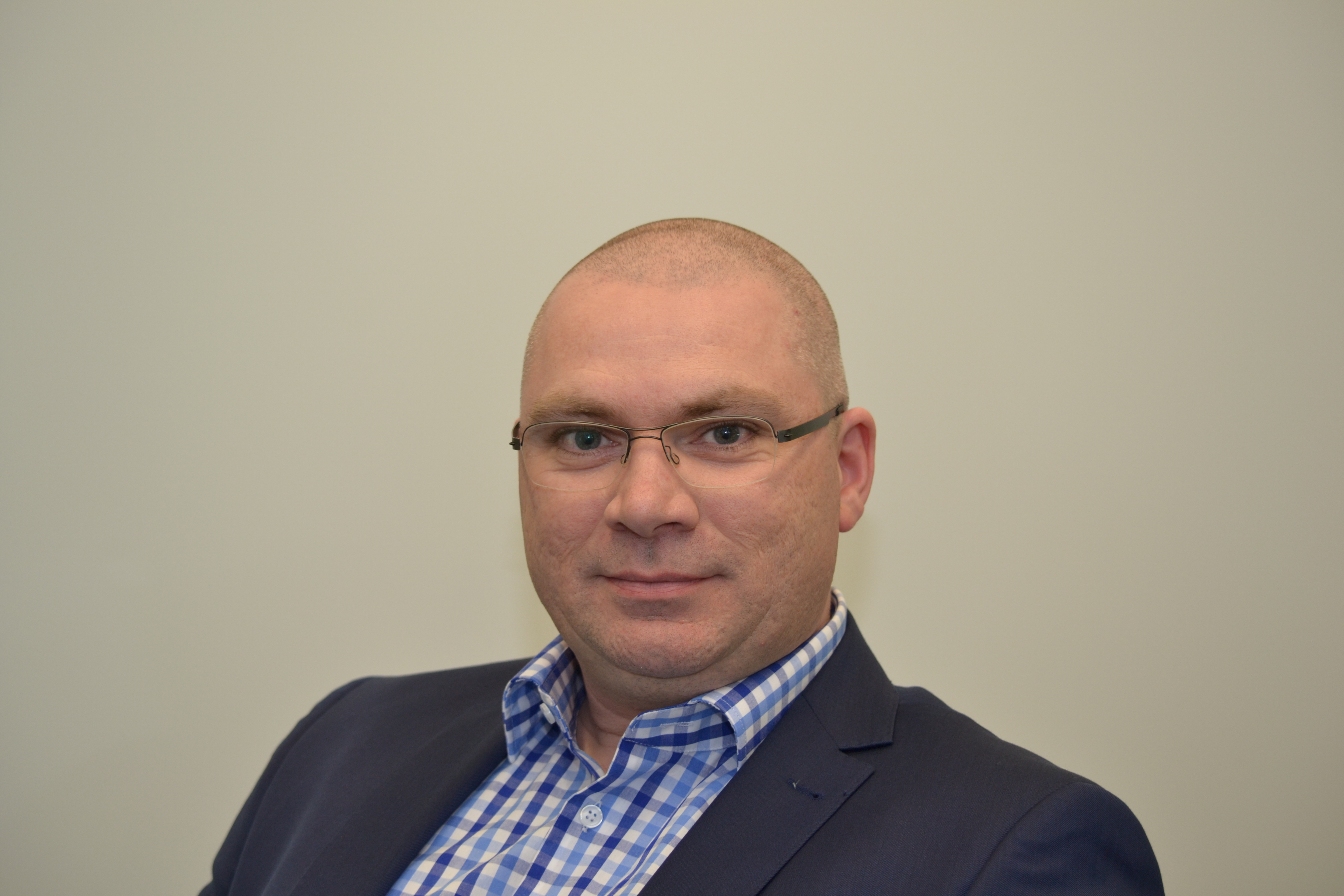
“Give a great idea to the wrong team and they will destroy it. Give a mediocre idea to the right team, and they will turn it into something valuable.” - Roald Borré
Defense and dual-use technologies
The geopolitical dimension of sovereignty is clear when it comes to defense. Across Europe, defense spending and cooperation are rising, reflecting the need to protect both security and economic stability.
PMV has adapted its investment framework to support dual-use technologies — innovations that serve both civilian and defense purposes — and certain defense-focused initiatives. Ethical safeguards are strict: no investments in prohibited weapons or sanctioned actors, and extensive due diligence ensures responsible use.
“The goal is to maintain autonomy and security while creating technologies that improve civilian life,” Borré explains. Many military innovations — from GPS to advanced materials — eventually find civilian applications. Europe’s next breakthroughs could follow the same path.
Building ecosystems, not just companies
Europe’s success won’t come from capital alone. Strong ecosystems — where companies, investors, research institutions, and industrial partners connect — are key. PMV positions itself as a facilitator, helping companies plug into value chains and collaborate rather than compete in isolation.
Instead of fighting over a fixed pie, the goal is to make the pie bigger. PMV invests across all layers of an industry, from early research to manufacturing and distribution. “Initiatives like SuperNova exemplify this philosophy, providing a space where ideas, capital, and partnerships come together. By attending events like this, PMV helps European startups gain visibility, connect with partners, and scale globally,” added Borré.
Ambition: Europe’s hidden challenge
Perhaps the biggest differentiator is ambition. Across the Atlantic, entrepreneurs embrace risk and aim for massive long-term outcomes. In Europe, particularly in smaller ecosystems, ambition is sometimes tempered by caution. But Flanders is full of innovators with bold ideas, world-class expertise, and the capacity to compete internationally. The key is ensuring that ambition is matched with the right resources and teams.
“We have incredible technology,” Borré says. “But too often, we limit ourselves with modest ambitions.”
Changing that mindset is critical if Europe wants to create global technology leaders. He emphasizes that technology alone rarely determines success. It’s the people behind it. “Give a great idea to the wrong team and they will destroy it. Give a mediocre idea to the right team, and they will turn it into something valuable.”
For PMV, evaluating founding teams has become central in their investment strategy. When strong technology meets the right team, companies can grow into global players. Borré will explore this further during his session at SuperNova, highlighting why human capital, vision, and ambition are just as critical as technology itself.
.svg)

.jpg)
