


.svg)
From Waste to Value: How Innovation Is Reshaping the Chemical Industry



The chemical sector is in the midst of a major shift. Rising pressure to decarbonize, stricter environmental regulations, and increasing resource scarcity are forcing companies to rethink how they produce, process, and reuse materials. At the center of this transformation are innovative players across the ecosystem — from established industrial actors to emerging companies. To understand how innovation is unfolding in the chemical sector, we spoke with Bart Goethals, General Manager at Indaver IWS, and Steffen Georg, founding director at Aquature — two experts working at the forefront of this industrial change.
What becomes clear from the get-go is that innovation today is no longer confined to laboratories. It extends across processes, value chains, and the industrial systems that link them. For Georg, the strongest acceleration can be seen in decarbonization, circularity, and resource efficiency. “Energy, water, and even carbon are no longer just compliance topics — they are balance sheet topics,” he explains, highlighting how regulatory pressure, investor scrutiny, and rising operational costs are converging to make innovation both necessary and financially attractive.
Goethals sees a similar trend from an energy recovery perspective. “It is our duty to extract every kilojoule that is still present in waste streams,” he says, emphasizing that waste is no longer just a by-product but a potential source of value.
From compliance to value creation
This shift from compliance to value creation is reshaping the way companies think about their operations. Where the focus once was on simply treating waste or meeting environmental requirements, companies are now exploring how to extract tangible value from these same streams.
%20profile%201.png)
“Not many people are aware of it, but water scarcity is already a major problem” - Steffen Georg
The concept manifests across multiple domains: wastewater is mined for reusable water, chemicals, and energy; plastics that previously would have been downcycled are now broken down into high-quality raw materials, and residual heat is captured and reintegrated into industrial networks. Achieving true circularity, however, requires collaboration. “You cannot achieve circularity as a company on your own,” Goethals notes. Simultaneously, recovering materials is only meaningful if they meet the standards expected by industry and consumers. Otherwise, circularity risks becoming a downgrade rather than a solution.
Indaver: turning waste into raw materials and energy
At Indaver, innovation is grounded in a clear operational model that analyzes and optimizes industrial waste streams. Goethals describes the company’s role as that of a “gatekeeper”, sorting incoming waste into streams with high circular potential and those better suited for energy recovery. High-value streams, such as pharmaceutical solvent waste, are processed to recover precious metals like palladium and ruthenium, which are returned to the production cycle. Plastics that cannot be mechanically recycled, undergo chemical recycling, allowing the materials to be reused in high-quality applications and avoiding unnecessary downcycling.
For lower-value streams, energy recovery becomes the priority. “We don’t see waste incineration as disposal,” Goethals explains. “We see it as an energy plant.” At their Waste to Energy site in Doel, for instance, high-pressure steam is supplied to chemical companies, while at their site in Antwerp, residual heat supports district heating networks. By integrating material and energy recovery, Indaver helps transform industrial waste streams into strategic assets, positioning the company as a supplier of both raw materials and energy to the chemical industry.
Aquature: rethinking wastewater as a resource
Aquature addresses another critical challenge: water. A resource often underestimated. Georg warns that water scarcity is a growing issue across Europe, including regions like Flanders. “Not many people are aware of it, but water scarcity is already a major problem,” he says, explaining that industrial operations will increasingly need to rethink how they use and manage water in order to avoid operational disruptions.
Aquature’s solution is to treat wastewater not as the starting point for new value creation, rather than an endpoint. Its core technology — bio-assisted electrolysis — combines biological treatment with electrochemical processes, to remove both organic and inorganic pollutants in a single step, while producing valuable outputs such as green chemicals and hydrogen. Georg emphasizes the economic impact: “Instead of paying to get rid of contaminants, you can generate value from them.”
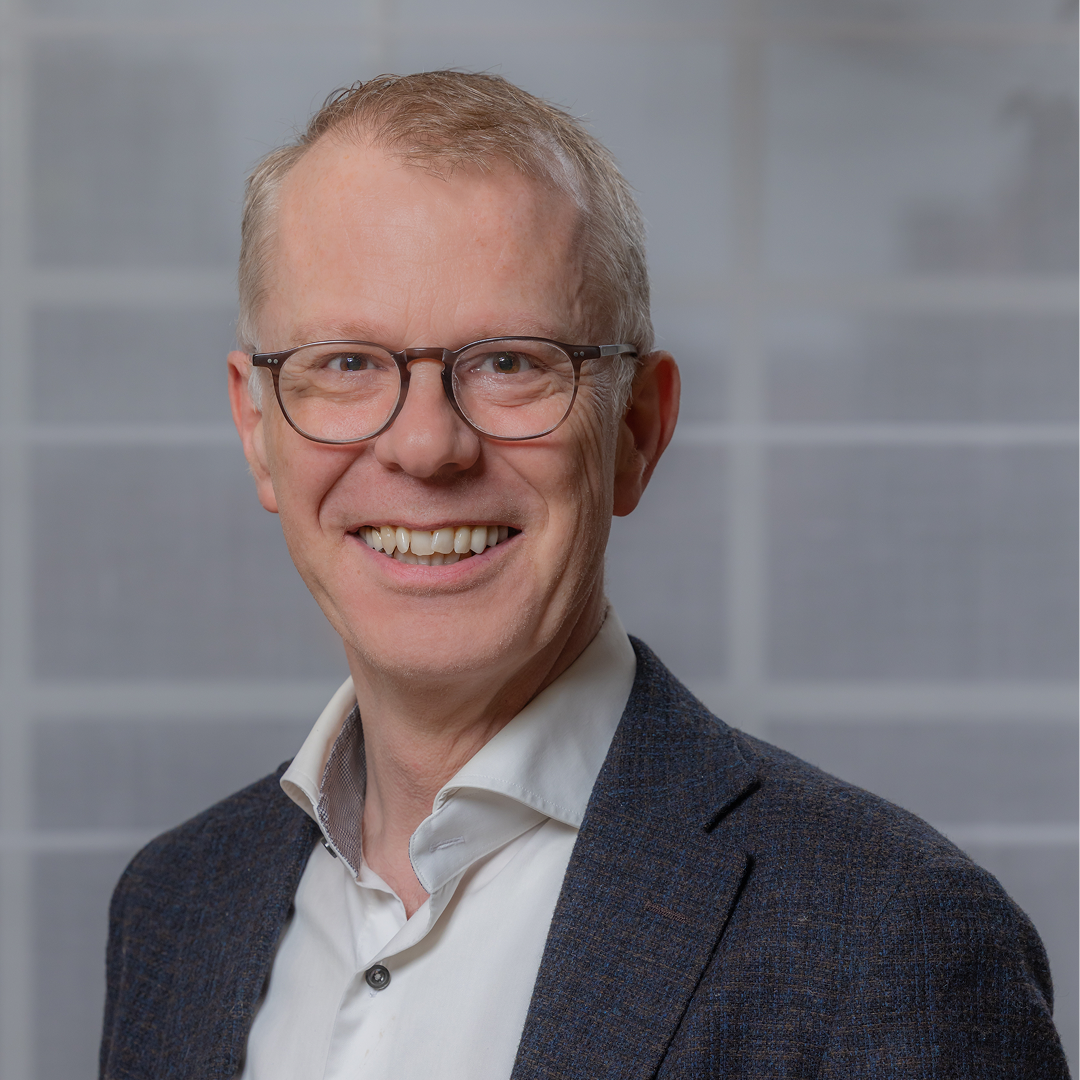
“If you create enough value, circularity will follow.” - Bart Goethals
The systems are modular, allowing phased implementation within industrial sites, and are particularly suited to sectors that generate high volumes of concentrated wastewater, where the potential for both impact and value creation is greatest. Beyond technology, Aquature promotes outcome-based business models, in which customers pay for guaranteed performance, resource recovery, or water reuse, creating a shared value and accelerating the adoption of new technologies.
Scaling innovation across the sector
Despite this progress, scaling innovation across the chemical sector remains complex. Regulation is both a driver and a possible hindrance if it is unpredictable or inconsistent. Goethals stresses the importance of clarity and stability: “Give us a clear and stable framework — that is more valuable than subsidies.” Collaboration within ecosystems is equally crucial, as is the partnership between startups and established players to move technologies from pilot projects to industrial-scale implementation. As part of this transition, Aquature is working closely with BlueChem and NextGen Demo at the Port of Antwerp-Bruges — combining startup development in sustainable chemistry with accelerated technology demonstration to bridge the path toward industrial-scale implementation.
Georg underscores that innovation must balance compliance with economic viability. “Solutions that are technically sound but financially unsustainable will struggle to gain traction, no matter how promising they are.”
The chemical industry of tomorrow
Looking ahead, the chemical industry is evolving into a more integrated, circular, and resource-efficient system. Waste streams are increasingly treated as feedstocks, water systems are becoming decentralized resource hubs, and electrification combined with digitalization is unlocking new efficiencies and insights.
For companies like Indaver and Aquature, this transformation is already underway. Their approaches — recovering value from waste and rethinking wastewater as a resource — illustrate how sustainability and profitability can reinforce each other. As Goethals concludes, “If you create enough value, circularity will follow.”
.svg)

.jpg)
