


.svg)

.webp)
Corporate innovation has become a buzzword in boardrooms worldwide. But if you want to make a lasting impact, it needs to be more than a trendy term. It should be about turning ideas into real, measurable value. According to Christoph Bogaerts, partner at delaware, many companies get stuck because they focus on ideas without asking the right questions: How do we ensure projects deliver value? How do we make this tangible? “Everyone has ideas,” Bogaerts says, “but very few know how to turn them into results.”
The challenge isn’t a lack of creativity — it’s structure, speed, and accountability. Large organizations often rely on processes and hierarchies to maintain control. Innovation, by contrast, thrives on rapid iteration. Too many rules, checklists, and approvals can slow progress to a crawl. For it to succeed, someone must take ownership, make timely decisions, and pivot when needed. “Speed matters,” Bogaerts notes. “The key is to keep momentum and continuously test and refine concepts.”
Innovation also doesn’t belong at the edges of an organization. It must be embedded in the core. If you keep it on the periphery, you only reach a limited group — you miss the impact that comes when employees involved in daily operations start experimenting and improving their own work. When connected to the realities of the business and when teams collaborate across departments, innovation is at its best.
Culture shapes how innovation works
Embedding innovation at the core of an organization is one thing, but local contexts add a layer of complexity. While a company’s culture sets the tone for how innovation is valued and supported, local culture can influence how it’s actually approached on the ground. delaware operates in 20 countries, and they observe how national and regional differences influence risk tolerance, decision-making, and speed. But different doesn’t mean better or worse — each approach has its advantages, and there’s much to learn from each context.
In the U.S., risk-taking is high and decisions move quickly. In Belgium, thoroughness and caution prevail, sometimes slowing execution but ensuring quality. In China, the pace is relentless, driving rapid experimentation and deployment. Bogaerts shares an example from a rollout of intellectual property in Brazil versus Belgium: Brazil started early, despite not every box being checked, while Belgium carefully refined the process to maximize quality, making a deliberate trade-off between speed and certainty. “Sometimes it’s better to start fast, learn, and adjust as you go,” he says. Recognizing cultural tendencies and giving teams the freedom to act, allows ideas to gain traction rather than slow them down.
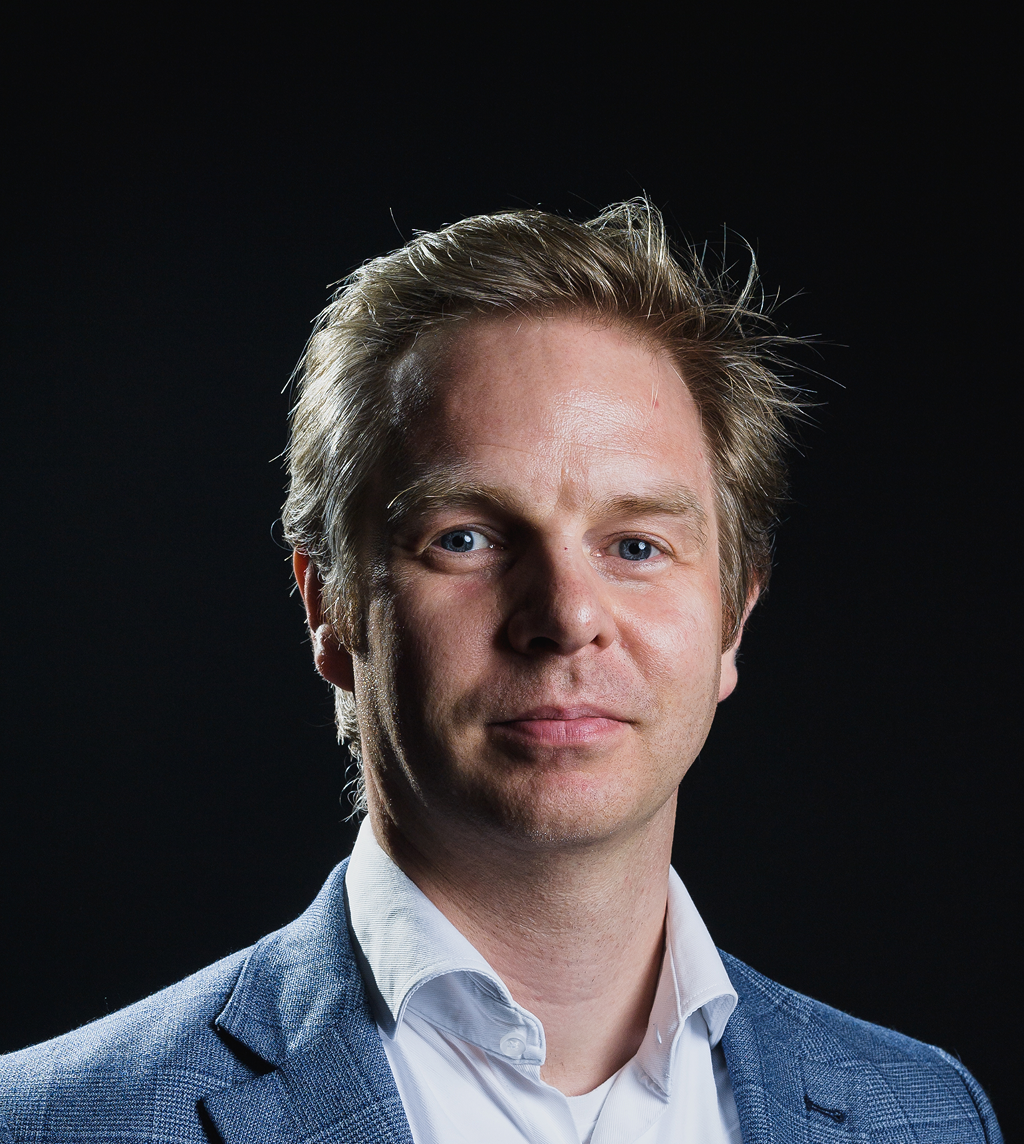
“It’s okay to fail. You can fail multiple times. What matters is what you do afterward. Do you apply what you’ve learned, get back up and pivot – or do you stay stuck?” - Christoph Bogaerts
Fall seven times, stand up eight
Failure isn’t the enemy. Stagnation is. “It’s okay to fail. You can fail multiple times,” Bogaerts says. “What matters is what you do afterward. Do you apply what you’ve learned, get back up and pivot – or do you stay stuck?” Innovation should be cyclical, with frequent checkpoints to assess whether a concept still delivers value. Quick learning, rather than prolonged perfectionism, ensures resources are used wisely and ideas can scale.
The human side of innovation
Technology is no longer the limiting factor. AI, quantum computing, and advanced analytics can accelerate testing and insight generation. But innovation remains primarily a human challenge. Without ownership, decisiveness, and a culture that encourages experimentation, even the most advanced technology won’t deliver results. Leaders must step back and give their teams space to act. “The team has to feel: we can make a difference.”
Looking ahead
Corporate innovation is entering a new era. AI and other emerging technologies are forcing companies to rethink workflows, experiment faster, and free employees from repetitive tasks. But acceleration alone isn’t enough. Success comes from the intersection of human creativity, accountability, and speed.
In the end, innovation isn’t a top-down directive — it’s a team effort. Bogaerts’ advice to CEOs is simple: “let go, empower your team, and let them lead.” Innovation isn’t driven by the CEO alone — it’s driven by the people on the ground, iterating, testing, and improving every day. Support them with the right expertise and partners — internally and externally — to provide guidance with an eye on international market and cultural expertise. Give them ownership, allow them to fail and learn, and watch your ideas transform into real impact.
.svg)

.jpg)
